
Porcelain Tile vs Ceramic Tile A Comprehensive Comparison for Your Bathroom Renovation
Choosing the right tile for your bathroom renovation can feel overwhelming. Porcelain and ceramic tiles are two of the most popular options, but they have distinct qualities that affect durability, appearance, and cost. This article breaks down the pros and cons of porcelain tile versus ceramic tile to help you make an informed decision for your bathroom project.
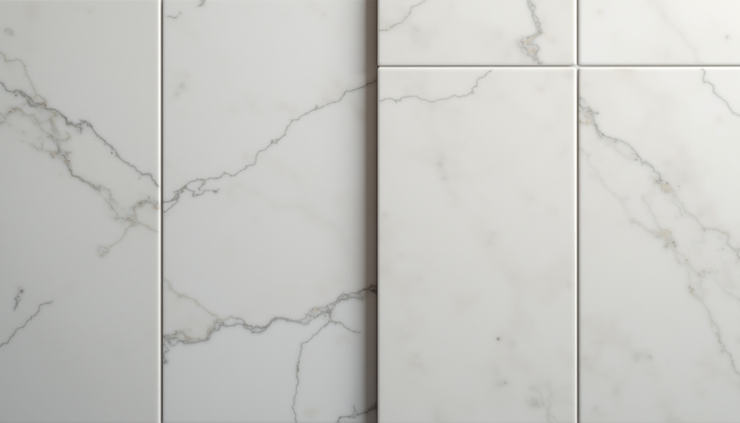
Understanding Porcelain and Ceramic Tiles
Both porcelain and ceramic tiles are made from clay and other natural materials, but the manufacturing process differs. Porcelain tiles are fired at higher temperatures, making them denser and less porous than ceramic tiles. This difference impacts their performance in wet environments like bathrooms.
Porcelain tile: Denser, harder, and less porous. Often used in high-traffic or moisture-prone areas.
Ceramic tile: Softer and more porous, generally easier to cut and install.
Knowing these basics helps clarify why one might suit your bathroom better than the other.
Durability and Water Resistance
Bathroom floors and walls face constant exposure to water and humidity. Durability and water resistance are critical factors.
Porcelain tile has a water absorption rate of less than 0.5%, making it highly resistant to moisture and stains. This quality reduces the risk of cracking or damage from water exposure.
Ceramic tile absorbs more water, typically between 3% and 7%, which can make it less suitable for wet areas unless properly glazed and sealed.
Porcelain’s superior density means it withstands heavy foot traffic and resists chipping better than ceramic. For bathroom floors, porcelain offers long-term durability with less maintenance.
Appearance and Design Options
Both tile types come in a wide range of colors, patterns, and finishes, but there are subtle differences.
Porcelain tiles often mimic natural stone, wood, or concrete with realistic textures and finishes. They can be polished, matte, or textured.
Ceramic tiles offer vibrant colors and patterns, including hand-painted designs and intricate mosaics. They usually have a glazed surface that adds shine and protects the tile.
If you want a tile that looks like natural stone but is easier to maintain, porcelain is a strong choice. For bold colors or artistic patterns, ceramic tiles provide more variety.
Installation and Maintenance
Installation difficulty and upkeep are important when planning a bathroom renovation.
Porcelain tile is harder and denser, which makes cutting and drilling more challenging. It often requires professional installation and specialized tools.
Ceramic tile is softer and easier to cut, making it more DIY-friendly.
In terms of maintenance, porcelain’s low porosity means it resists stains and requires less sealing. Ceramic tiles need regular sealing if unglazed and more careful cleaning to avoid damage to the glaze.
Cost Considerations
Budget often guides tile choice. Porcelain tiles generally cost more upfront due to their manufacturing process and durability.
Porcelain tile prices range from $5 to $10 per square foot, depending on style and quality.
Ceramic tile typically costs between $1 and $5 per square foot.
Installation costs may also be higher for porcelain because of its hardness and the need for professional labor. Ceramic tile offers a more affordable option for budget-conscious renovations.
Environmental Impact
Sustainability is increasingly important in home renovations.
Both porcelain and ceramic tiles are made from natural materials and are recyclable.
Porcelain’s longer lifespan means fewer replacements over time, reducing waste.
Ceramic tiles require less energy to produce but may need more frequent replacement.
Choosing tiles with recycled content or from manufacturers with green certifications can further reduce environmental impact.
Which Tile Works Best for Your Bathroom?
Consider your bathroom’s specific needs:
For high-moisture areas like shower floors and walls, porcelain’s water resistance makes it the safer choice.
If you want vibrant colors or decorative patterns, ceramic tiles offer more design flexibility.
For a budget-friendly renovation, ceramic tiles reduce upfront costs.
If you prioritize durability and low maintenance, porcelain tiles provide long-term value.
Practical Examples
A family bathroom with heavy daily use benefits from porcelain tile floors that resist wear and stains.
A guest bathroom with decorative wall accents might use ceramic tiles for colorful mosaics.
A small powder room could combine porcelain floor tiles with ceramic wall tiles to balance durability and design.
Final Thoughts on Porcelain and Ceramic Tiles
Choosing between porcelain and ceramic tiles depends on your bathroom’s function, style preferences, and budget. Porcelain offers superior durability and moisture resistance, ideal for wet and high-traffic areas. Ceramic tiles provide more design options and easier installation at a lower cost.
Evaluate your renovation goals carefully. If you want a tile that lasts and handles moisture well, porcelain is worth the investment. For creative designs or tighter budgets, ceramic tiles remain a reliable choice.
Take time to explore samples and consult with tile professionals to find the perfect fit for your bathroom renovation. Your choice will shape the look and performance of your space for years to come.


Comments